Toma András: The Man Who Tragically Outlived Meaning
The Mind That Refused to Collapse
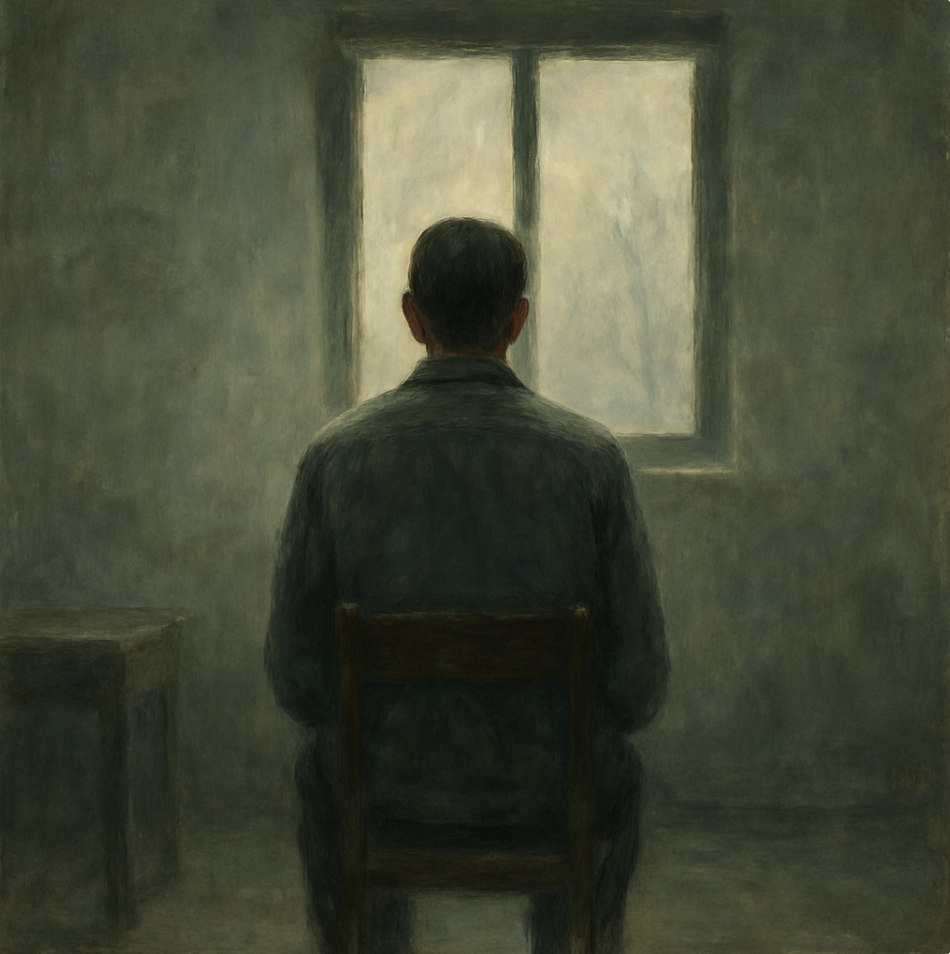
I saw a video about András Toma, and then read his Wikipedia page. I literally can’t stop sobbing. There’s so much to unpack.
How did he survive?
He was sane, and through a tragic series of events after WWII, he went from POW to being confined in a Russian mental hospital. No one understood him for 55 years. Literally no one. Yet he kept speaking Hungarian. He never forgot it, just like he never forgot his sense of self, the memory of his family. Fifty-five years of isolation, with no real conversation, no one to mirror him. Somehow he stayed coherent, lucid. The stability of his inner mental structure is unimaginable and admirable at the same time. When no one understood him, no one responded, no one reflected anything back, and he anchored to himself!
I used to think humans need a why to live. Viktor Frankl reflected that he survived the concentration camps by constantly choosing reasons to live, by interpreting suffering, by assigning meaning to pure hell. Toma lost his “why” long ago, or maybe he never had one. His mind simply refused to collapse. His identity was so self-contained, that it didn’t disintegrate even when the external world voided him. Two opposite survival models, both powerful. Frankl survived through reason, Toma through being - quietly and profoundly so.
When the Czech/Slovak doctor who spoke Hungarian finally found and rescued him, literally by understanding the Hungarian he spoke after 55 years, he began the journey back home.
Back in Hungary, 82 families wanted him, thinking he is their lost relative. (Though is tragic that so many families lost someone to war), my cynical self was still moved by this, because for most places, most families, they don’t have such long memory. Fifty-five years might as well be a lifetime, people let go, or forget.
And they didn’t.
And his sister, she took care of him for the remainder of his life. She was only two years old when he left for war, so she would’ve had no real memory of him. Yet the way she treated him was more than most siblings would, had she known him all her life. She acted as if she had been waiting for him for all those 55 years.
And the Hungarian government acknowledged the tragedy in its own way. They gave Toma military honors and back pay for all 55 years, recognizing his continued service. It’s far more typical for governments to bury things like this, or ignore them whenever possible. Instead they gave him back his dignity, even though he was as powerless as any ordinary men. This is profoundly decent of them, and moving to me.
If I had a time machine
I would learn Hungarian, however long it takes. I would travel back to 1947, and talk to him.
It isn’t about altering history, although I would absolutely do that too.
It is more for me than for him.